

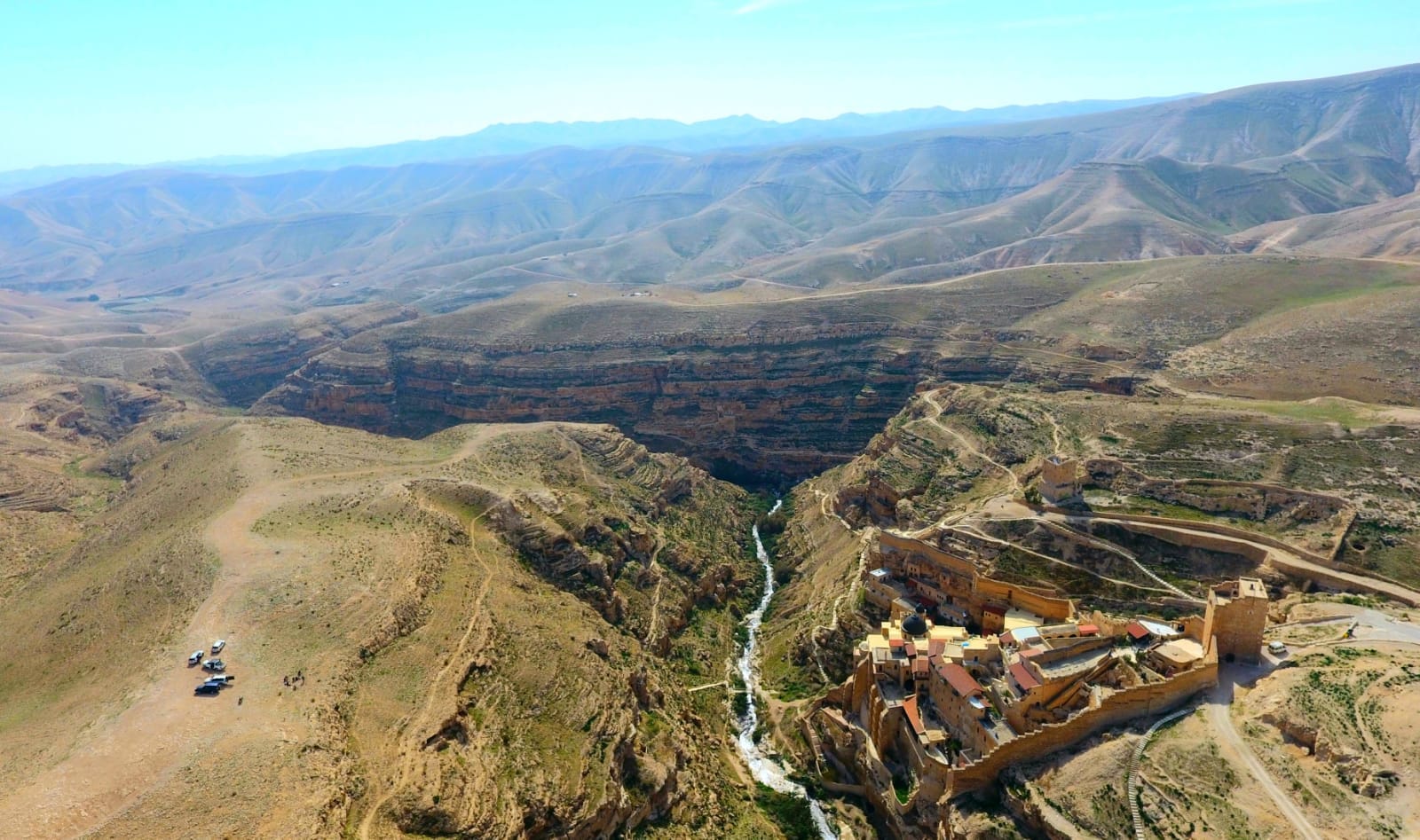
A couple of pages ago we encountered Rabbi Yosei’s instruction to grind idols and spread the ashes to the wind or in the sea. The rabbis raise the concern that the ashes might still benefit Jews as fertilizer. This leads to a jousting contest of scripture quoting: Rabbi Yosei quotes Deut. 9:21, where they were ordered to burn the golden calf; the rabbis counter that the Israelites were then meant to drink the water with the calf dust in it. Rabbi Yosei quotes I Kings 15:13, where Maacah’s idol (which the Gemara speculates was used in really abominable ways) was cut down and burned at the Kidron river; the rabbis replied that the Kidron river does not grow plants, so the dust would not fertilize them, but this is then disputed. You can see for yourself in the image below: the Kidron river flows in the desert, close to Qumran.
Rabbi Yosei counters with II Kings 18:4, where we’re told that the brass serpent Moses made was cut down. The rabbis counter that Moses was ordered to create the serpent, that it was not an idolatry item, and the Hezekiah just wanted to prevent the people from idolizing it.
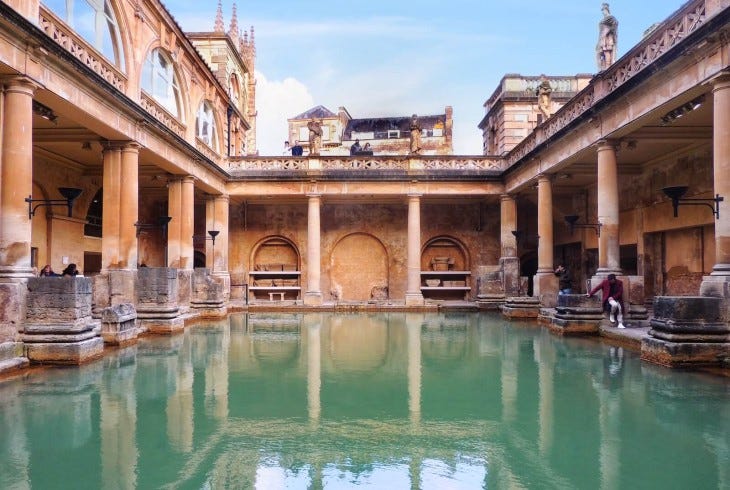
There’s a bunch more of this, but you get the point, so we’ll move on to the next mishna, which features two of my favorite things: wacky stories in which rabbis wittily outsmart Roman nobles and luxurious bathhouse visits (in case you come to San Francisco and want to treat yourself like Rabban Gamliel, these are my three favorites in San Francisco: Imperial, Kabuki, and Banya).
So, apparently there was a bathhouse in Akko that was devoted to the goddess Aphrodite, and Rabban Gamliel went to bathe there. Proclus son of Plosfus came over and asked Rabban Gamliel, “how d’ya square this with the obligation to stay away from idolatry stuff that’s in your Torah?” And by the way, have you noticed that the Romans in these stories know more Torah than pretty much the entire membership at your local JCC? Anyway, Rabban Gamliel, who knew his priorities, said, “we don’t discuss Torah at the bathhouse.” 1:0 to Rabban Gamliel. After they went out, he said, “I didn’t go into Aphrodite’s bathhouse; she came into mine. We don’t bathe here to worship her, rather her sculpture is hear to make the bathhouse pretty.” 2:0 to Rabban Gamliel! “Plus,” he added, “the joke’s on Aphrodite, because they put the statue above the sewer pipe and we’re all here naked peeing in front of her.” Game, set and match to Rabban Gamliel. Well played!
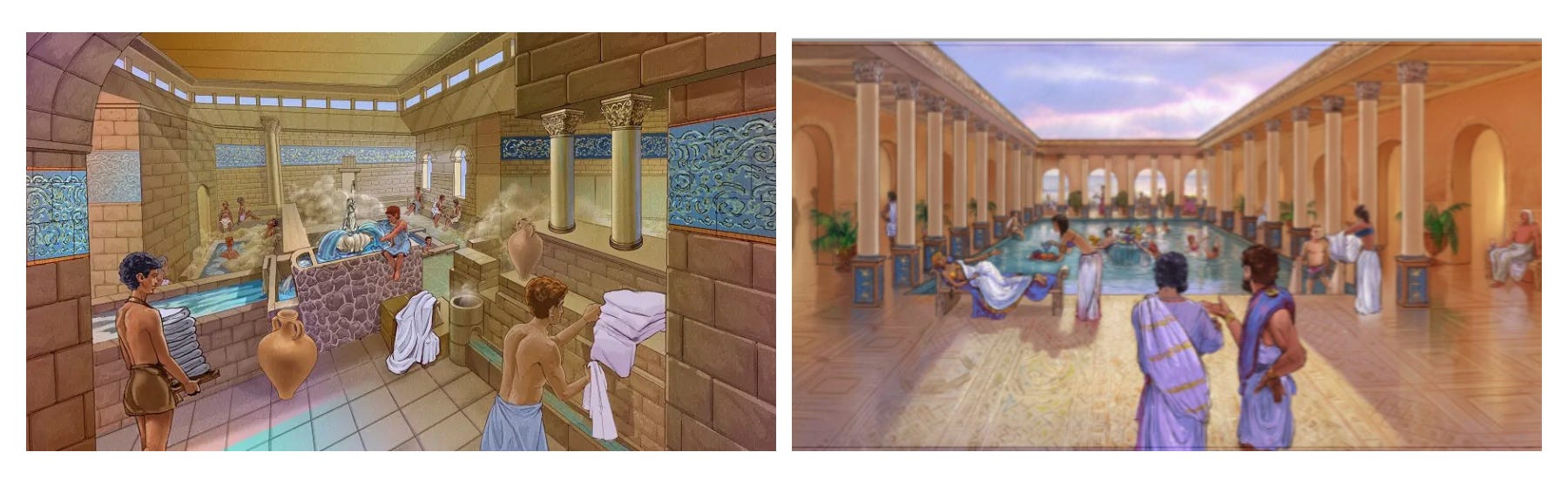
I think it’s a fantastic little story, but when have you ever known the Gemara to leave well enough alone? So here we go spoiling the story with commentary. First, they argue that even saying “we don’t discuss Torah at the bathhouse” at the bathhouse means that Rabban Gamliel thought about Torah at the bathhouse, which is not okay (to which I say: they should take a peek at b.Berakhot 60b and consider Asher Yatzar, which is the “thank God all works well on the bathroom front” blessing that every praying Jew includes in the Shaharit). Apparently, they square this by saying that Rabban Gamliel said all he said as they exited the bathhouse (which makes the story more pious, but a lot less funny).
Then they pick on the fact that Rabban Gamliel deceived Proclus by saying that the goddess statue was not an idol given that people prayed before her; Rav Hama quotes Rabi Oshaya as explaining that there are idols such as Pe’or, in front of which people defecate, and they still count as idols. But Rav Hama disagrees: Pe’or is worshipped through, ahem, one’s constitutional, but Aphrodite is obviously not.
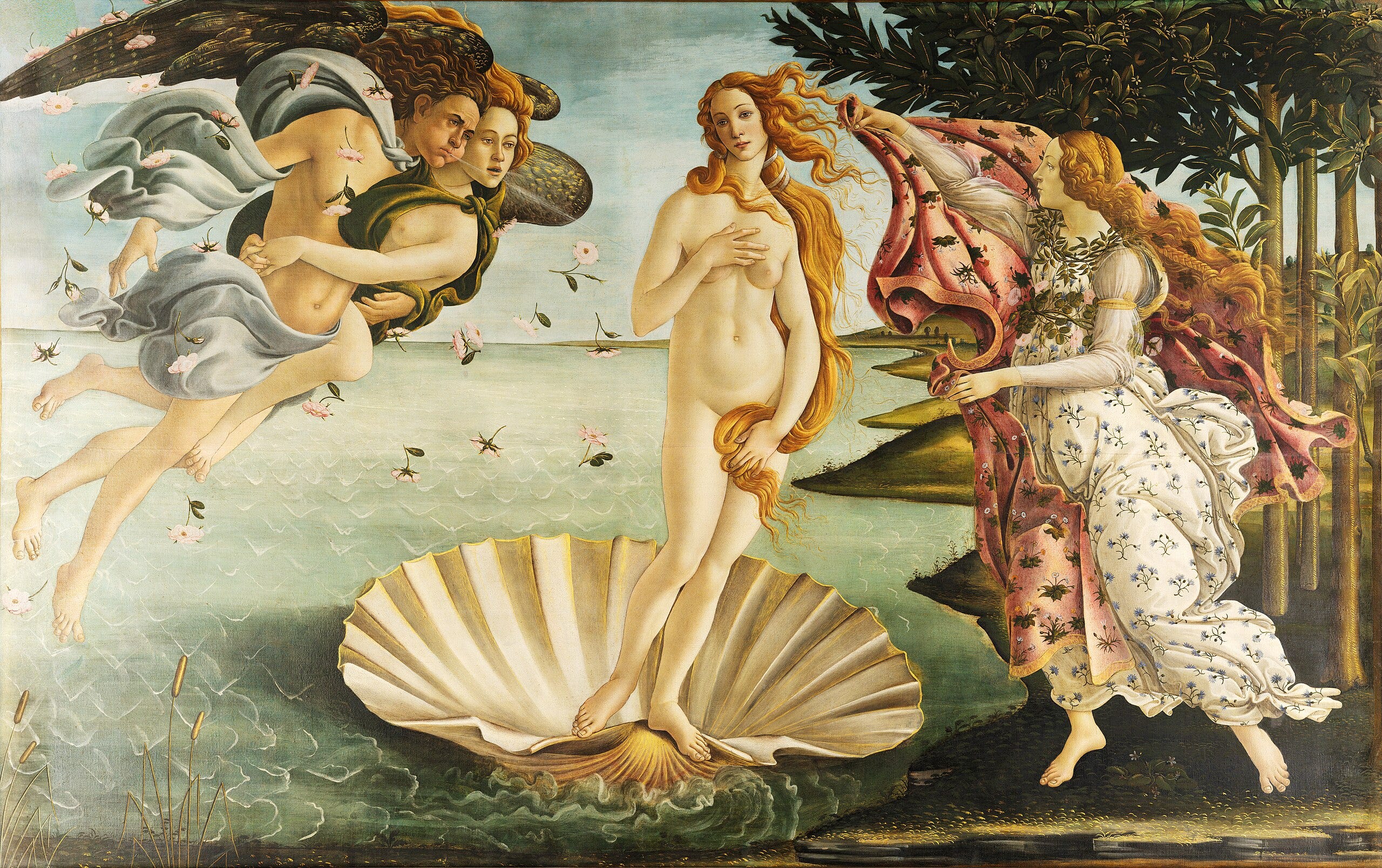
Abaye raises another issue: that the statue is incidental to the bathhouse, or which of them came first, should not make a difference as to the idolatry issue. It’s also a problem that someone as dignified as Rabban Gamliel showed up might be perceived as an expression of respect for the goddess. Rav Shimi bar Hiyya said that the nakedness of the bathers and their bathroom functions do not invalidate the idol (we will learn a mishna to this effect when we get to page 53). But the fact that this is a permanent position shows some disrespect for the statue. Rabba bar Ulla is also unhappy with Rabban Gamliel: even if the statue was not officially placed there as an object for worship, it shouldn’t matter, as there is no lawful process of consecrating something for idolatry (heh, this is news to most world religions, but okay) and the very fact that it’s a goddess statue renders it suspicious.