

Yesterday we left things off wondering whether the oven stories, which seem peculiar and extreme considering rabbinic Judaism’s distaste for displays of self-mortification, might be explained by the proximity of the rabbis to people of other cultures. The Babylonian Talmud is chockfull of references to other cultures; when we studied Tractate Avodah Zarah, we came across the many dilemmas and conundrums the rabbis faced regarding their neighbors. Should they deal with them? Should they invite them to their homes or participate in their feasts? What’s the appropriate way to behave when one runs into an idol in the street? Can the stones from a foreigner’s altar be used for other purposes? And can a person enjoy a bathhouse displaying a statue of the goddess Aphrodite?
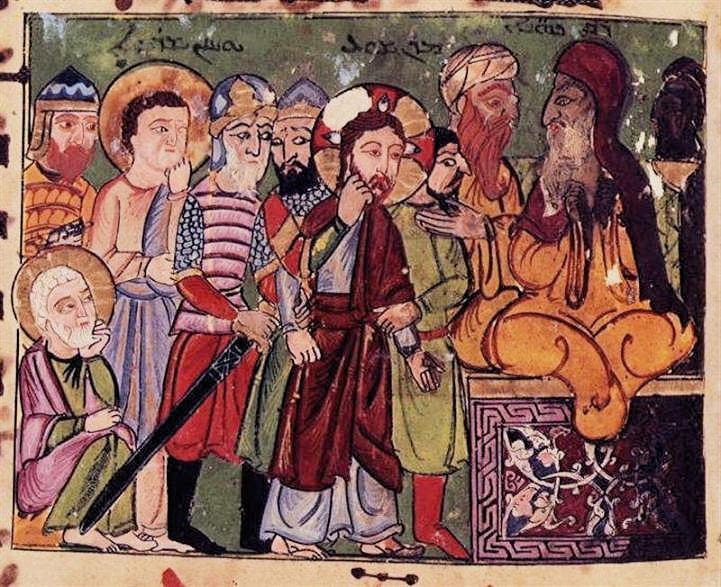
As we found out, the texts are full of suspicion and fear, including some truly xenophobic libels, and some of the fiercest ones target the rabbis’ Christian neighbors. For example, b.Sanhedrin 43 features a revisionist history of the crucifixion, in which no one speaks in Jesus’ favor because he was an inciter, and in which some debates about the fate of his students revolve around the names of his students:
בְּעֶרֶב הַפֶּסַח תְּלָאוּהוּ לְיֵשׁוּ הַנּוֹצְרִי, וְהַכָּרוֹז יוֹצֵא לְפָנָיו אַרְבָּעִים יוֹם: ״יֵשׁוּ הַנּוֹצְרִי יוֹצֵא לִיסָּקֵל עַל שֶׁכִּישֵּׁף וְהֵסִית וְהִדִּיחַ אֶת יִשְׂרָאֵל. כׇּל מִי שֶׁיּוֹדֵעַ לוֹ זְכוּת יָבוֹא וִילַמֵּד עָלָיו״. וְלֹא מָצְאוּ לוֹ זְכוּת, וּתְלָאוּהוּ בְּעֶרֶב הַפֶּסַח. אָמַר עוּלָּא: וְתִסְבְּרָא? יֵשׁוּ הַנּוֹצְרִי בַּר הַפּוֹכֵי זְכוּת הוּא? מֵסִית הוּא, וְרַחֲמָנָא אָמַר: ״לֹא תַחְמֹל וְלֹא תְכַסֶּה עָלָיו!״ אֶלָּא שָׁאנֵי יֵשׁוּ, דְּקָרוֹב לְמַלְכוּת הֲוָה. תָּנוּ רַבָּנַן: חֲמִשָּׁה תַּלְמִידִים הָיוּ לוֹ לְיֵשׁוּ הַנּוֹצְרִי – מַתַּאי, נַקַּאי, נֶצֶר, וּבוּנִי, וְתוֹדָה. אַתְיוּהּ לְמַתַּי. אֲמַר לְהוּ: מַתַּי יֵהָרֵג? הָכְתִיב ״מַתַּי אָבוֹא וְאֵרָאֶה פְּנֵי אֱלֹהִים״? אָמְרוּ לוֹ: אִין, מַתַּי יֵהָרֵג, דִּכְתִיב: ״מָתַי יָמוּת וְאָבַד שְׁמוֹ״. אַתְיוּהּ לְנַקַּאי. אֲמַר לְהוּ: נַקַּאי יֵהָרֵג? הָכְתִיב ״וְנָקִי וְצַדִּיק אַל תַּהֲרֹג״? אָמְרוּ לוֹ: אִין, נַקַּאי יֵהָרֵג, דִּכְתִיב: ״בַּמִּסְתָּרִים יַהֲרֹג נָקִי״. אַתְיוּהּ לְנֶצֶר. אָמַר: נֶצֶר יֵהָרֵג? הָכְתִיב ״וְנֵצֶר מִשׇּׁרָשָׁיו יִפְרֶה״? אָמְרוּ לוֹ: אִין, נֶצֶר יֵהָרֵג, דִּכְתִיב: ״וְאַתָּה הׇשְׁלַכְתָּ מִקִּבְרְךָ כְּנֵצֶר נִתְעָב״. אַתְיוּהּ לְבוּנִי. אָמַר: בּוּנִי יֵהָרֵג? הָכְתִיב ״בְּנִי בְכֹרִי יִשְׂרָאֵל״! אָמְרוּ לוֹ: אִין, בּוּנִי יֵהָרֵג, דִּכְתִיב: ״הִנֵּה אָנֹכִי הוֹרֵג אֶת בִּנְךָ בְּכֹרֶךָ״. אַתְיוּהּ לְתוֹדָה. אָמַר: תּוֹדָה יֵהָרֵג? הָכְתִיב ״מִזְמוֹר לְתוֹדָה״? אָמְרוּ לוֹ: אִין, תּוֹדָה יֵהָרֵג, דִּכְתִיב: ״זֹבֵחַ תּוֹדָה יְכַבְּדָנְנִי״.
Similarly, b.Sanhedrin 107b features a story that explains Jesus’ choice to found a new religion as his reaction to the rejection of his own teacher, Yehoshua ben Prahyah:
יְהוֹשֻׁעַ בֶּן פְּרַחְיָה מַאי הִיא? כִּדְקַטְלִינְהוּ יַנַּאי מַלְכָּא לְרַבָּנַן, אֲזַל יְהוֹשֻׁעַ בֶּן פְּרַחְיָה וְיֵשׁוּ לַאֲלֶכְּסַנְדְּרִיָּא שֶׁל מִצְרַיִם. כִּי הֲוָה שְׁלָמָא, שְׁלַח לֵיהּ שִׁמְעוֹן בֶּן שָׁטַח: מִינִּי יְרוּשָׁלַיִם עִיר הַקֹּדֶשׁ לִיכִי אָלֶכְּסַנְדְּרִיָּה שֶׁל מִצְרַיִם, אֲחוֹתִי: בַּעֲלִי שָׁרוּי בְּתוֹכֵךְ וְאָנֹכִי יוֹשֶׁבֶת שׁוֹמֵמָה. קָם, אֲתָא, וְאִתְרְמִי לֵיהּ הָהוּא אוּשְׁפִּיזָא. עֲבַדוּ לֵיהּ יְקָרָא טוּבָא. אֲמַר: כַּמָּה יָפָה אַכְסַנְיָא זוֹ! אֲמַר לֵיהּ: רַבִּי, עֵינֶיהָ טְרוּטוֹת. אֲמַר לֵיהּ: רָשָׁע! בְּכָךְ אַתָּה עוֹסֵק? אַפֵּיק אַרְבַּע מְאָה שִׁיפּוּרֵי וְשַׁמְּתֵיהּ. אֲתָא לְקַמֵּיהּ כַּמָּה זִימְנִין, אֲמַר לֵיהּ: קַבְּלָן! לָא הָוֵי קָא מַשְׁגַּח בֵּיהּ. יוֹמָא חַד הֲוָה קָא קָרֵי קְרִיאַת שְׁמַע, אֲתָא לְקַמֵּיהּ. סָבַר לְקַבּוֹלֵי, אַחְוִי לֵיהּ בִּידֵיהּ. הוּא סָבַר: מִידְחָא דָּחֵי לִי. אֲזַל זְקַף לְבֵינְתָּא וְהִשְׁתַּחֲוָה לָהּ. אֲמַר לֵיהּ: הֲדַר בָּךְ! אֲמַר לֵיהּ: כָּךְ מְקוּבְּלַנִי מִמְּךָ: כָּל הַחוֹטֵא וּמַחְטִיא אֶת הָרַבִּים אֵין מַסְפִּיקִין בְּיָדוֹ לַעֲשׂוֹת תְּשׁוּבָה. וְאָמַר מָר: יֵשׁוּ כִּישֵּׁף וְהֵסִית
וְהִדִּיחַ אֶת יִשְׂרָאֵל.
Some of these hateful stories found their way into a medieval book called Toledot Yeshu, which is an anti-Christian perspective mocking the account in the gospels. This book became the subject of acrimonious controversies and, let’s just say, did not contribute to peace and ecumenism. But alongside the libel and accusations, the Talmud records some more fruitful conversations between Jews and Christians. b.Avodah Zarah 17a tells the story of a high-profile trial of Rabbi El’azar for heresy. Among his confessions was this litt
le story:
עֲקִיבָא, הִזְכַּרְתַּנִי, פַּעַם אַחַת הָיִיתִי מְהַלֵּךְ בַּשּׁוּק הָעֶלְיוֹן שֶׁל צִיפּוֹרִי, וּמָצָאתִי אָדָם אֶחָד מִתַּלְמִידֵי יֵשׁוּ הַנּוֹצְרִי, וְיַעֲקֹב אִישׁ כְּפַר סְכַנְיָא שְׁמוֹ. אָמַר לִי: כָּתוּב בְּתוֹרַתְכֶם: ״לֹא תָבִיא אֶתְנַן זוֹנָה וְגוֹ׳״, מַהוּ לַעֲשׂוֹת הֵימֶנּוּ בֵּית הַכִּסֵּא לְכֹהֵן גָּדוֹל? וְלֹא אָמַרְתִּי לוֹ כְּלוּם. אָמַר לִי: כָּךְ לִימְּדַנִי יֵשׁוּ הַנּוֹצְרִי, כִּי ״מֵאֶתְנַן זוֹנָה קֻבָּצָה וְעַד אֶתְנַן זוֹנָה יָשׁוּבוּ״, מִמְּקוֹם הַטִּנּוֹפֶת בָּאוּ, לִמְקוֹם הַטִּנּוֹפֶת יֵלֵכוּ. וְהִנְאַנִי הַדָּבָר, עַל יְדֵי זֶה נִתְפַּסְתִּי לְמִינוּת, וְעָבַרְתִּי עַל מַה שֶּׁכָּתוּב בַּתּוֹרָה: ״הַרְחֵק מֵעָלֶיהָ דַּרְכֶּךָ״ — זוֹ מִינוּת, ״וְאַל תִּקְרַב אֶל פֶּתַח בֵּיתָהּ״ — זוֹ הָרָשׁוּת.
Rabbi Elazar ran into a guy called Jacob of Sekhania, who was one of Jesus’ students, and Jacob challenged him: can one donate to building the bathroom of the High Priest from money made through prostitution? Elazar didn’t know what to say, and Jacob explained that Jesus had taught them that filthy money can return to filth. Elazar found this funny, and that was his gateway to heresy.
A facile reading of this story involves the danger of listening to this wordsmith’s words; but reading it against the grain suggests that such dialogues might not have been uncommon, and that people shared their learned wisdoms with each other.
This is a very roundabout way to say that the rabbis were not divorced from the surrounding Christian contexts—Roman, Byzantine, and Syriac. And as Daniel Boyarin explains in his introduction to Carnal Israel, Christians had a very different approach to the body/soul issue than Jews: they were deeply critical of how embodied, carnal, and fleshy Judaism was, because their own theology advocated the abnegation of the body, and the bodily urges and needs standing in the way of the spirit.
Indeed, early Christianity developed as probably the most elaborate and radical mortification culture in the ancient world, and it escalated dramatically across the Talmudic centuries. The most common manifestation of this approach was the ubiquitousness of fasting, which was not only widely practiced, but heavily theorized. In her fabulous book From Feasting to Fasting, Veronica Grimm reminds us that the apostles didn’t have anything in particular to say about food; the interest in body mortification as ethics emerged with the Alexandrian school, whose theologian representatives are Clement and Origen, and which strongly advocated asceticism. In his book Paidagogus, Clement offered meticulous guidance about table manners, sexual activity, and pretty much everything else, arguing strongly against gluttony as temptation and corruption, satirizing banquets, advocating vegetarianism and temperance as spiritual mechanics. Tertullian, who wrote in Carthage, attacked all things belly:
Look at the body: the region (of these members) is one and the same. In short, the order of the vices is proportionate to the arrangement of the members. First, the belly; and then immediately the materials of all other species of lasciviousness are laid subordinately to daintiness: through love of eating, love of impurity finds passage. I recognise, therefore, animal faith by its care of the flesh (of which it wholly consists)— as prone to manifold feeding as to manifold marrying— so that it deservedly accuses the spiritual discipline, which according to its ability opposes it, in this species of continence as well; imposing, as it does, reins upon the appetite, through taking, sometimes no meals, or late meals, or dry meals, just as upon lust, through allowing but one marriage.
For these folks, then, fasting was a spiritually transformative practice: it thinned the boundary between flesh and spirit and resisted the temptation to become a carnally-motivated beast.
Fasting was far from the only self-mortification discipline practiced by Christians. Monastic communities known as the Desert Fathers, who dwelled in Roman Egypt and Syria from the late 3rd century onward, engaged in prolific ascetic practices, which included sleep deprivation, severe dietary restriction including a proliferation of fasts, exposure to heat and cold, dressing in rough garments, and manual labor pushed to exhaustion as a discipline. These methods, according to John Wortley’s book, were paths of spiritual development.
But perhaps the most relevant practices, for our purposes, were the ones practiced by Syriac Christians, who geographically overlapped with the rabbinic world. They, too, had a proto-monastic group known as the Members of the Covenant (bnay qyama). Syriac theologian Apharat, writing in the 4th century, cautioned against excessive behavior, lavish clothes and hairstyles, and participating in intemperate feasts. While their initial enthusiasm for celibacy waned, as did the call for absolute poverty (almsgiving was encouraged, and one needs to have something to give), Apharat devoted much of his writings to the ractice of ‘spiritual marriage’ among males and females of the qyāmā who lived together for the purposes of helping one another in the maintenance of a household. The Syriac community engaged in zealous fasting and prayer.
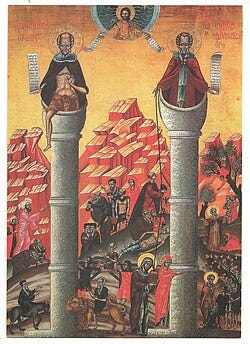
In the 4th and 5th centuries, John Chrysostom, the Archbishop of Constantinople, was known for his own fasting practices. During his time, the Stylites, who lived on pillars (I swear I’m not making this up!) also engaged in self mortification, quite publicly and performatively. In addition to pillar-dwelling, Simeon Stylites was known for wearing a rope made of palm leaves so tightly wound into his flesh that it had to be surgically removed.
The primary sources, from Clement and Tertullian to Chrisostom, vary in detail, but the theological basis is similar: for these folks, the body was regarded as the seat of sin and concupiscence, and punishing it through mortification was considered spiritual warfare (the spirit vanquishing the flesh). Not that dissimilar, now that I think of it, to the ascetics that one Siddhartha Gautama spent seven years with in the forest, exposing himself to ants and fire and cold and fasting and various exercises. His enlightenment put an end to these trials and tribulations, and he came to advocate “the middle way” - a balance of caring for the self, between abnegation and indulgence.
While the ovens we discussed in our Talmudic stories existed in early Christian settlements and homes—they were found in excavations of early Christian sites in El Amarna and Sheikh Sa’id—I have not been able to find stories involving Christian ascetics climbing into lit ovens. The closest thing to these stories is the Syriac Christian practice of standing in the scorching sun, but there’s no exact analog. Let’s check Roman and Zoroastrian practices next.