

Yesterday’s inquiries showed that early Christian theologians had much more voracious appetite for body modification than Jews, even though sitting in ovens was not part of it. Today we turn to the culture that surrounded the Babylonian study halls of the Talmud: the Sasanian empire, a pre-Islamic empire centered in modern-day Iran that governed much of the Middle East and Asia from 224 to 651 AD.
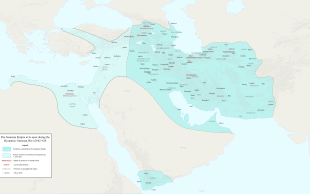
The official religion of the Sasanian empire was Zoroastrianism, though their subjects practiced a variety of religions (as we saw, Christianity and Judaism were two of them; Manichaeism was another, and we’ll get to that in tomorrow’s post). As Jenny Rose explains in her book, we are now finding out that, alongside the official tenets that the Persian priesthood held to, there were other forms of Zoroastrian belief and practice that were popular in what is modern-day Armenia, Georgia, and Central Asia. The oldest texts of the religion, the Gathas, are foundational hymns that lay out the principle of the religion: an ethical-psychological dualism between Asha (truth, order, and cosmic progress) and Druj (chaos, distortion, and the lie). Above these poles rise an uncreated, benevolent, and all-wise deity known as Ahura Mazra (“Lord of Wisdom”), and yet there is a dispute among theologians about whether Zoroastrianism is purely monotheistic.
There are heaps and depths of things we could learn about Zoroastrianism, but for our purposes, I’m looking for evidence that the Talmudic oven stories reflect some affinity for self-mortification, particularly regarding heat and fire. It turns out, though, that Zoroastrianism was anti-ascetic, theologically: the assumption is that the material world is good (and identifies with Asha), and rejecting its gifts is associated with the lie (druj). Orthodox Zoroastrianism rejects the idea of fasting precisely because of the dualistic struggle: weakening the body by fasting defeats the purpose of using one’s body to fight for good against evil. The ritual purity practices of Zoroastrian priesthood, which (not dissimilar to the Jewish ones) included washing, isolation, purification after contact with the dead, etc., were not self-abnegating, and while their priesthood practiced dietary restrictions, these were not done for self-punishment. The only possible evidence of ascetic practices comes from Muslim writings about a sect of Zoroastrianism that existed within Sasanian society called Zurvanism, which had more ascetic tendencies, but the evidence is corrupted by imaginary personages and places to the point that we cannot be sure what actually corresponded to reality.
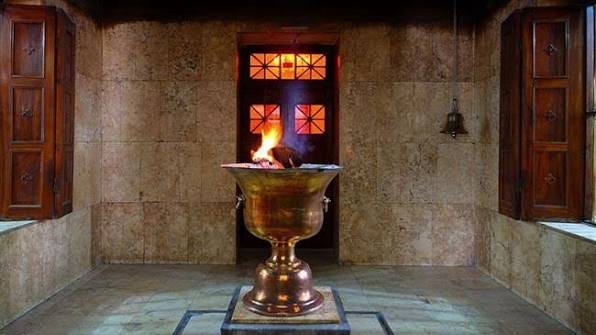
As to fire more specifically, or the idea of testing oneself by fire, there are some interesting correlates. Fire was sacred to Zoroastrians and its purity was carefully protected. Indeed, deliberately harming your body with it or defiling it was generally something to avoid, not court. The real Zoroastrian fire practice is the var, a judicial ordeal (molten metal poured on the chest, or walking through fire), which was used to prove truthfulness in a legal dispute; the closest analog within our stories was Rabbi Zeira’s self-testing of his control over the afterlife, and the shame-related stories have no clear analog.
Would the rabbis be aware of the var, and of Zoroastrian fire practices more generally? Early scholarship tended to assume that the Jews were relatively isolated and lived in their own community, without much contact with the Sasanian neighbors. But in his book about the period and in articles, Simcha Gross upends these notions, arguing for much more integration than was initially thought. And indeed, there are some Talmudic references that suggest an interrelationship—and not necessarily agreement about fire. Consider the story in b.Gittin 17a:
רַבָּה בַּר בַּר חָנָה חֲלַשׁ, עוּל לְגַבֵּיהּ רַב יְהוּדָה וְרַבָּה, לְשַׁיּוֹלֵי בֵּיהּ. בְּעוֹ מִינֵּיהּ: שְׁנַיִם שֶׁהֵבִיאוּ גֵּט מִמְּדִינַת הַיָּם, צְרִיכִין שֶׁיֹּאמְרוּ ״בְּפָנֵינוּ נִכְתַּב וּבְפָנֵינוּ נֶחְתַּם״, אוֹ אֵין צְרִיכִין? אָמַר לָהֶם: אֵין צְרִיכִין – מָה אִילּוּ יֹאמְרוּ ״בְּפָנֵינוּ גֵּירְשָׁהּ״, מִי לָא מְהֵימְנִי?! אַדְּהָכִי, אֲתָא הָהוּא חַבְרָא, שְׁקַלָה לִשְׁרָגָא מִקַּמַּיְיהוּ. אֲמַר: רַחֲמָנָא! אוֹ בְּטוּלָּךְ, אוֹ בְּטוּלָּא דְּבַר עֵשָׂו לְמֵימְרָא דְּרוֹמָאֵי מְעַלּוּ מִפָּרְסָאֵי?! וְהָתָנֵי רַבִּי חִיָּיא, מַאי דִּכְתִיב: ״אֱלֹהִים הֵבִין דַּרְכָּהּ וְהוּא יָדַע אֶת מְקוֹמָהּ״? יוֹדֵעַ הַקָּדוֹשׁ בָּרוּךְ הוּא בְּיִשְׂרָאֵל שֶׁאֵין יְכוֹלִין לְקַבֵּל גְּזֵירַת רוֹמִיִּים, עָמַד וְהִגְלָה אוֹתָם לְבָבֶל. לָא קַשְׁיָא; הָא מִקַּמֵּי דְּנֵיתוֹ חַבָּרֵי לְבָבֶל, הָא לְבָתַר דַּאֲתוֹ חַבָּרֵי לְבָבֶל.
Rabba bar bar Hana, along with Rav Yehuda and Rabba who came to visit him, discussed the lawfulness of a divorce decree. While they were chatting, in came a Persian priest (called a “havra”) and took away their candle. Steinsaltz helpfully proposes that the day was a Zoroastrian holiday and they were not supposed to light fires outside the temple. Rabba, who had come from Eretz Israel, was shocked and said, “God, may we live in your shadow or in that of Rome,” meaning, not under the Persians. This leads to the question whether the Romans were preferable to the Persians, and the Gemara resolves this by explaining that pre-Persian Babylonia was better than Rome, but that things became worse when the Persians, meaning the Sasanians, took over.
I find it interesting that this story depicts resentment toward the Sasanian priests because of their reverence of fire. But more generally, it seems that the Jewish aversion, overall, toward self mortification, is much more in harmony with the Zoroastrian perspectives than with the Christian ones. Indeed, as Gal Sela argues in a recent article, an examination of the fasting stories in b.Ta’anit 24a-b leads to the conclusion that the rabbis positioned themselves, re ascetic practices, against the surrounding monastic, Zoroastrian, and Manichaean practices, by advocating for “a moderate ascetic doctrine, which criticizes both standardized ascetic rituals and the performance of the charismatic holy man.” We’ll see this even more clearly tomorrow, when we discuss Manichaeism!